
What If the Goal Was Never to Make Your Teen "More Normal"?
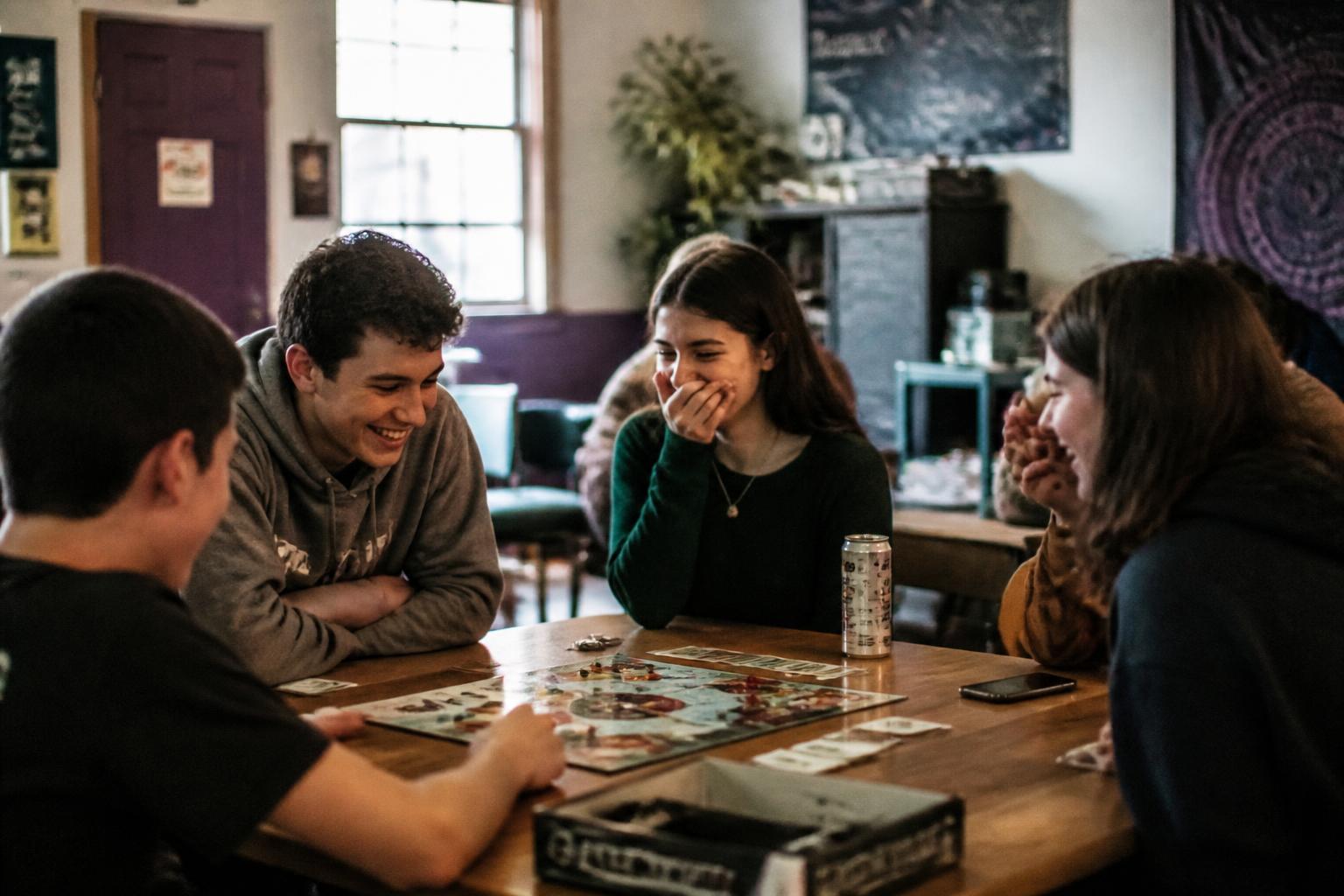
Somewhere along the way, "help my teen with friendships" started to sound like "fix what's wrong with my teen." But there's nothing wrong with your teen. There's just a gap between who they are and the spaces they've been handed, and that gap is closeable.
The Fixing Trap
When a teen struggles socially, the world rushes in to diagnose and correct. Sit up straighter. Make more eye contact. Be less intense. Be more outgoing. Be different, basically.
Here's the problem. A teen who constantly hears "be different" learns one thing really well: that who they are isn't enough. That's not a foundation for confidence. It's a foundation for hiding.
The teens we work with aren't broken. They're often creative, thoughtful, funny, and fiercely loyal once they trust you. They don't need fixing. They need the right room.
Social Skills Are Caught, Not Taught
You can't worksheet your way to confidence. Real social skills don't come from a flashcard titled "how to make eye contact." They come from actual moments with actual people.
A teen learns to read a room by being in rooms that feel safe enough to practice in. They learn to take turns, handle a small disagreement, and crack a joke that lands by doing those things over and over, with low stakes. Practice beats instruction every single time.
That's why the setting matters so much more than the lesson plan.
What Belonging Actually Does for a Teen
When a teen finally lands in a space where they fit, something visible shifts. You've probably caught flashes of it already.
Belonging gives a teen:
- Permission to relax, which is the exact state in which people are at their most likable
- Evidence that they're not alone, which quietly dismantles a lot of anxiety
- A safe place to take social risks, because the cost of a small stumble is low
- A sense of "these are my people," which can carry a teen through a hard year
You can't lecture a teen into believing they belong. They have to feel it. And once they do, the social stuff gets dramatically easier.
Fix vs. Belong: How to Tell the Difference
Not every program is offering the same thing. Some are built to correct a teen. Others are built to welcome one. The difference matters more than the brochure lets on.
Ask a few questions before you commit:
- Does this space require a referral to get in? Open access tends to signal community, not correction.
- Is the goal connection or compliance? Look for "make friends and have fun," not "improve behaviors."
- Are teens treated as people or as projects? You want a room that likes your teen, not one trying to remodel them.
- Does it start with their interests? The best spaces begin with what teens love, not what adults think they lack.
What to Look For in a Group
The right group feels less like a clinic and more like a hangout. Small enough that your teen gets seen. Warm enough that nobody's the odd one out. Built around something fun, so connection has room to grow.
It helps when the person leading it genuinely understands teens who connect a little differently, so your teen is met with patience instead of pressure. That blend of warmth and know-how is what turns a nervous first visit into "when's the next one?"
Your teen doesn't need to become someone else to make friends. They just need a place that's glad they walked in.