
Social Skills Activities for Teens That Actually Work
If you've ever watched a teen sit through a "social skills lesson" with that dead-eyed stare, you already know. Worksheets on eye contact and scripted role plays don't build friendships. What builds friendships is a shared thing to do, a small enough room to be noticed in, and enough time to stop performing. Here's what actually works, and why.
Why Traditional Social Skills Activities Flop
Most social skills curricula treat connection like a checklist. Make eye contact. Ask a follow up question. Take turns. Teens can pass every one of those and still eat lunch alone.
The gap isn't knowledge. It's the leap from knowing to doing, in a real room, with real people, when your heart is pounding. That leap only shortens when teens get to practice inside something they actually care about.
Anchor Every Activity in a Real Interest
The fastest way to turn a nervous teen into a talkative one is to hand them a topic they already love. Interest is the on ramp. It gives them something to say, something to do with their hands, and a reason to keep showing up.
Activities that consistently work with the teens we see:
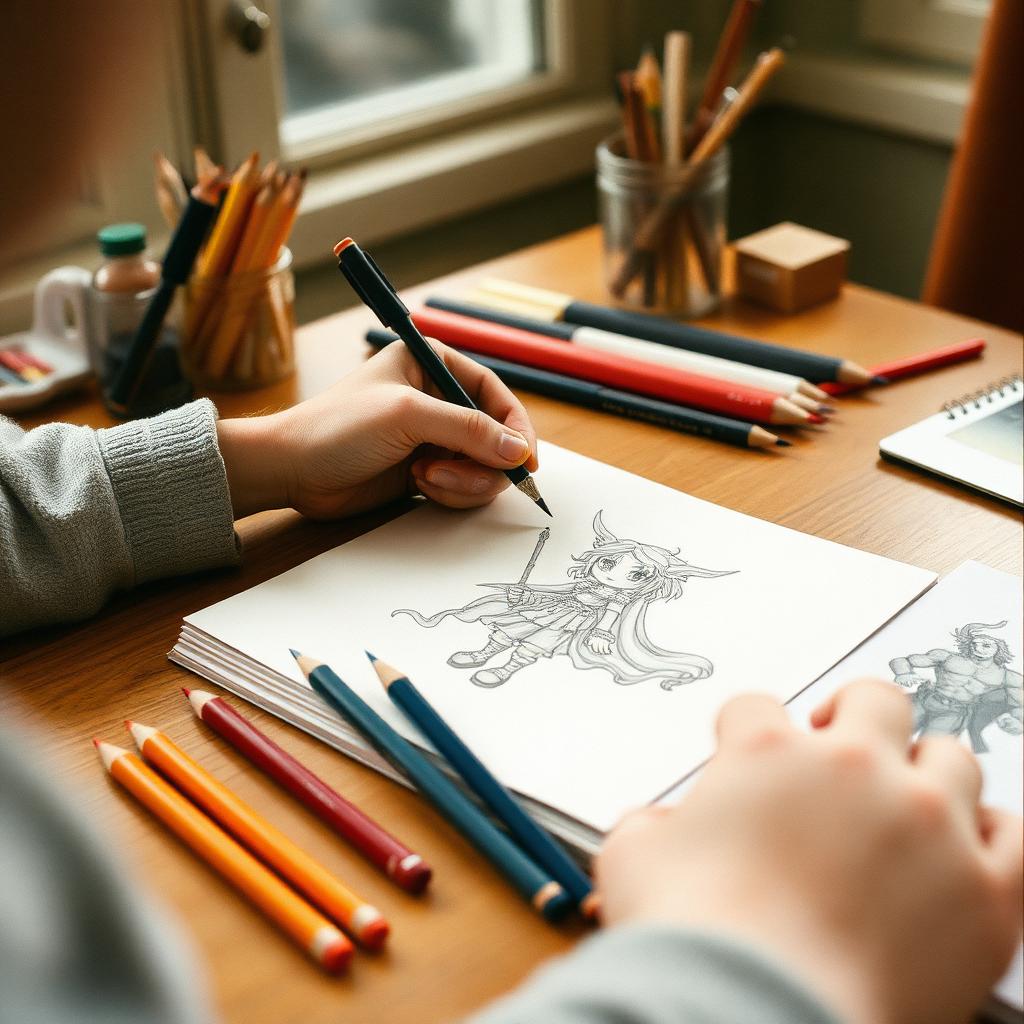
- Character design. Building an original character together turns "talk to a stranger" into "help me name this guy." Backstory, powers, look, flaws. Suddenly they're collaborating without noticing.
- Co op gaming. A shared screen gives teens something to look at that isn't each other's faces. The pressure drops and the talking starts.
- Sensory crafts. Clay, resin, paint pouring, anything with texture. Hands busy, guard down.
- Vision boards. Cutting and gluing while chatting about what they want their life to look like is disarmingly honest work.
- Art jams. Everyone drawing at the same table, side by side. Parallel play still counts, and it opens the door to real conversation.
Keep the Group Small on Purpose
Eight teens is a room. Twenty is a crowd. In a crowd, a shy teen disappears and a loud teen takes over. In a small group, every teen gets noticed, and no one can hide in the back.
Small also means the adult in the room can actually read what each teen needs in the moment. That's the piece that turns "we did an activity" into "someone made a friend."
Give Them a Job, Not a Spotlight
Asking a teen to "introduce yourself and share something interesting" is a nightmare. Asking them to "grab the blue markers" is a gift. Jobs lower the stakes. They give a nervous teen a reason to move, a reason to talk, and a reason to be there that isn't "perform your personality."
Rotate small roles inside every activity. Timekeeper. Supply runner. The one who names the character. Little jobs stack into big confidence.
Protect the Off Ramps
Real social skills activities for teens have to include the option to step back. A quiet corner, a water break, a "you can just watch this round" is not letting them off the hook. It's what makes the next brave step possible.
Teens who know they can pause without being called out are the teens who eventually stop pausing.
Let Repetition Do the Heavy Lifting
One session is a tryout. Six sessions is where the shift happens. The same faces, the same room, the same rhythm every week is what lets a teen's nervous system finally exhale.
Friendships aren't made in a single afternoon. They're made in the third week, when a teen walks in and someone says "oh good, you're here."
The Short Version
Skip the worksheets. Build the room around what teens already love, keep it small, hand out little jobs, protect the off ramps, and let them come back every week. That's it. That's the whole method.
If you want your teen in a room like that, Social Connections runs small, interest based groups in DFW built exactly this way. No diagnosis required, no one to fix. Join our email list to hear the moment a new group opens.